• Type:
  • Genre:
  • Duration:
  • Average Rating:

Month: July 2026

CDs Are Back: Why Gen Z Is Collecting Physical Music Like Sneakers

CDs Are Back: Why Gen Z Is Collecting Physical Music Like Sneakers

A minimalist illustration of a CD case and a sneaker representing music collection culture

If you walked into a record store ten years ago, the CD section was basically a graveyard. Vinyl was the "cool" format, and streaming was already well on its way to killing everything else. But fast forward to the first half of 2026, and the script has completely flipped.

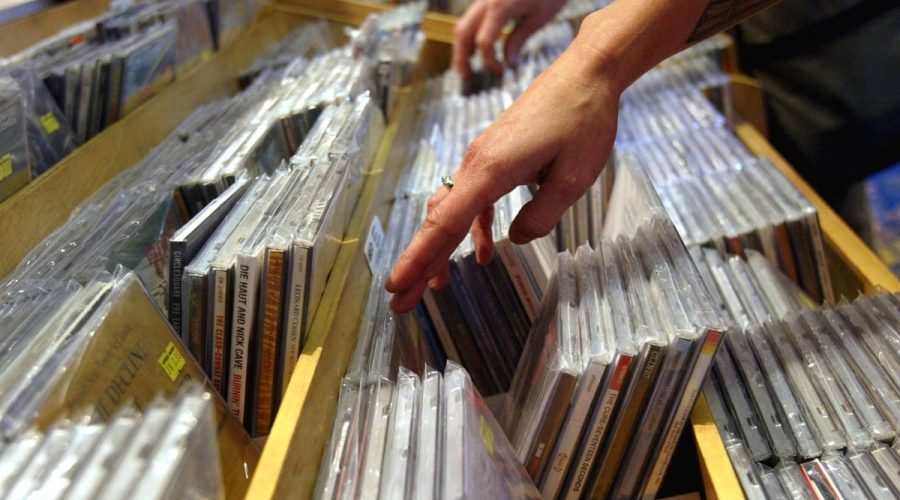
In a world dominated by streaming hip hop and instant digital access, the most surprising comeback isn’t a legacy artist: it’s the compact disc. According to recent data, CD sales jumped a massive 16% in the first half of 2026, with 16.3 million units sold in the US alone. Meanwhile, vinyl: the supposed king of the physical revival: only saw a modest 2.4% growth.

At Pugilist Radio, we’ve always kept our pulse on urban music and culture. We’ve seen the way fans engage with their favorite artists, and this shift toward physical media says a lot about where the culture is heading. It’s not just about the music anymore; it’s about the ownership.

The 16% Jump: Why CDs Are Outpacing Vinyl

For years, the narrative was that vinyl was the premium physical format. It was larger, more "authentic," and looked great on a wall. But in 2026, the data shows that the CD is catching a second wind that almost nobody saw coming.

A minimalist bar chart showing CD sales growth outpacing vinyl in 2026

While vinyl still leads in total units (roughly 21.8 million), the growth rate for CDs is nearly seven times higher. Why? Because CDs have become the "affordable collectible." In an era where a new vinyl record can easily set you back $40 or $50, a CD remains a relatively cheap way to support an artist and own a piece of the art.

This resurgence is particularly strong in the US, whereas in the UK, CD sales actually fell by about 5.2%. This suggests that the American market: and specifically the urban entertainment and K-pop sectors: is driving this specific trend.

The Sneaker Culture Connection

Here is the most mind-blowing stat: half of Gen Z and millennial CD buyers don’t even own a CD player.

Wait, what?

It sounds crazy, but if you look at how Gen Z interacts with products, it makes perfect sense. They aren’t buying CDs to spin them in a Sony Discman; they are buying them the same way they buy limited-edition sneakers or trading cards. It’s about the "drop," the rarity, and the aesthetic.

In the same way a "sneakerhead" might buy a pair of Jordans and never let them touch pavement, a modern music fan buys a CD to display on their shelf or share on social media. It’s a tangible marker of fandom in an otherwise intangible digital world. When you’re streaming hip hop all day on your phone, there’s no "object" to show for your loyalty. A CD changes that. It’s a badge of honor.

K-Pop and the Collector’s Blueprint

If we’re looking for the engine behind this 16% jump, look no further than K-pop. Groups like BTS have mastered the art of physical media. Their recent release, ‘ARIRANG,’ didn't just top the charts: it broke records. In its first week alone, it moved over 208,000 vinyl copies, the largest weekly total for a group since electronic tracking began in 1991.

Detailed blueprint-style illustration of fan collectibles like photo cards and CD cases

K-pop labels have created a blueprint that other genres, including r&b music and hip hop, are starting to follow. They don’t just sell a disc in a plastic jewel case. They sell an experience. A single album might come in four different versions, each containing:

  • Exclusive photocards (often randomized to encourage trading)
  • High-quality art books
  • Special posters
  • Unique packaging textures

This turns the album into a "chase" item. Fans buy multiple copies to ensure they get the "rare" photocard of their favorite member. Even when you strip away the K-pop numbers, CD sales are still up 6.7%. This means the "collector mentality" is spreading into other mainstream genres.

What This Means for Hip Hop and R&B

For hip hop blogs and fans of urban culture, this shift is significant. Hip hop has always been a genre rooted in "the hustle" and physical presence. From selling mixtapes out of trunks to the elaborate jewelry that represents success, the visual and physical have always mattered.

In 2026, we’re seeing hip hop artists lean back into this. Limited-edition CD box sets for major R&B and rap releases are becoming the norm. Fans of urban music want to feel connected to the artist beyond just a monthly subscription fee. They want the physical artifact.

At Pugilist Radio, we’ve noticed our community on the Pugilist Social App discussing their physical collections more than ever. It’s a way to prove you were there from day one. In a digital world, physical items are the only things that truly feel "real."

The Elephant in the Room: The Streaming Struggle

While it’s exciting to see fans buying music again, there is a darker side to the industry's current state. Streaming continues to grow, yet many artists are still struggling to make a living.

A minimalist comparison between digital streaming and physical CD collections

Recent reports from the UK Musicians’ Union highlight a troubling reality: the average musician makes only about $20,700 a year from their music. Even as physical sales rise and streaming numbers skyrocket, the revenue isn't always trickling down to the creators.

This is part of why the CD resurgence is so important. When a fan buys a physical CD, a much larger portion of that money usually goes toward the artist and the label compared to a single stream, which pays fractions of a cent. Gen Z buyers aren’t just "collecting sneakers"; many of them explicitly state that they buy physical copies as a way to directly support the artists they love, knowing that streaming isn't enough to keep the lights on.

The Future of Music Ownership

Are CDs here to stay? If the first half of 2026 is any indication, the answer is a resounding yes. We are moving toward a hybrid model of music consumption:

  1. Streaming for convenience, discovery, and daily listening.
  2. Physical Media for collection, artist support, and cultural status.

The CD is no longer a "playback device": it is a piece of urban entertainment history that you can hold in your hand. Whether you’re into K-pop, r&b music, or the latest street anthems, owning the physical copy is becoming the ultimate flex.

As we continue to cover the intersection of music and sports here at Pugilist Radio, we’ll be keeping a close eye on these trends. Whether it's the latest BTS record-breaking drop or the way your favorite rapper is packaging their new project, physical is the new digital.

Stay tuned to our station for the best in urban music and join the conversation in our community. The era of the "sneakerized" CD is just beginning.


Rick Ross Shuts Down Drake Friendship Questions on Joe Budden Podcast: “It Was Real”

Rick Ross Shuts Down Drake Friendship Questions on Joe Budden Podcast: "It Was Real"

Minimalist podcast studio setup with futuristic microphones and electric blue accents on a white background.

In the fast-paced world of urban entertainment, few things capture the public’s imagination like a fallout between giants. On Friday, July 17, 2026, the hip-hop world stopped to listen as Rick Ross sat down for a high-stakes conversation with Joe Budden. The interview, a Patreon exclusive for The Joe Budden Podcast, didn't just touch on music; it delved deep into the psychology of celebrity friendships, the reality of the industry, and the complicated history between Rick Ross and Drake.

As Ross maneuvers through the release of his 12th studio album, Set in Stone, and navigates the massive Port of Miami 20th Anniversary Tour, he took a moment to address the skeptics. For years, fans and critics alike have watched the "Bawse" and the "6 God" trade bars on some of the biggest records in streaming hip hop history. But with the current climate being one of tension and public "beef," Joe Budden didn’t hold back. He asked the question everyone has been whispering: Was the friendship ever real, or was it just a business arrangement designed to dominate the charts?

The Question of Authenticity

Joe Budden is known for his unfiltered approach, and this session was no different. He pressed Ross on whether his collaborative era with Drake: which gave us classics like "Stay Schemin’" and "Aston Martin Music": was a genuine brotherhood or a calculated PR move. The implication was clear: in an era of hip hop news dominated by viral moments and tactical alliances, it’s easy to assume everything is a facade.

Ross, ever the composed veteran, shut that narrative down immediately. He didn't just deny it; he explained the mechanics of how people at their level interact.

"Nothing about it was fake," Ross stated firmly. He emphasized that during the years they were making music together, the bond was authentic. They weren't just showing up to a studio to punch a clock; they were building a legacy. In the world of urban music, where chemistry can be heard through the speakers, Ross argues that you can't fake the kind of runs they had.

A minimalist flat illustration of a vinyl record splitting into two halves, representing a partnership diverging.

When Friendships "Fizzle Out"

One of the most poignant parts of the interview was Ross’s explanation of how friendships end in the spotlight. He pushed back against the idea that a relationship must be "fake" just because it doesn't last forever.

"Sometimes things naturally fade when circumstances change," Ross explained. He described it as a "fizzling out" rather than a pre-planned exit. In an industry where everyone is constantly grinding, priorities shift. You might be on the same page for five years, and then your paths diverge. According to Ross, that doesn't invalidate the five years of genuine connection that came before.

This perspective is a refreshing take in a culture that often demands a dramatic villain arc for every breakup. Ross’s stance is more grounded in reality: people grow apart. Sometimes it leads to beef: as he acknowledged it has now: but the history remains untouched.

Flipping the Script on Joe Budden

The highlight of the episode came when Ross turned the tables on his host. Known for his own high-profile splits with former podcast co-hosts, Joe Budden found himself on the receiving end of a direct comparison.

Ross pointed out that Budden has had his own public fallouts. He called it "straight-up business" and the natural way successful people move forward. By drawing this parallel, Ross highlighted a universal truth in both hip hop blogs and general business: professional and personal lives are intertwined, and when the professional alignment stops working, the personal connection often follows.

Ross’s point was that successful individuals are focused on their trajectory. If someone is no longer part of that path, you move on. You don't necessarily owe the public a grand apology or a 20-minute explanation. You just keep building.

The Legacy of the Music

Despite the current beef, Ross made one thing very clear: he isn't striking Drake’s name from his setlist. While some artists might shy away from performing collaborations with current rivals, Ross embraces them.

As he travels the country on his Port of Miami 20th Anniversary Tour, fans are treated to the full catalog. Ross told Budden that he will "always celebrate" those records. Tracks like "Lord Knows" and "Gold Roses" are part of his story, and as far as he’s concerned, "you can't change the past."

This professionalism is part of what has kept Rick Ross at the top of the urban entertainment food chain for two decades. He understands that the fans' relationship with the music is separate from his personal relationship with the collaborator. By continuing to perform these hits, he honors his own legacy and the era that defined a generation of hip-hop fans.

Minimalist illustration of the Port of Miami 20th Anniversary Tour theme with a stylized bus and palm tree.

Set in Stone: A New Chapter

The timing of this interview isn't accidental. Rick Ross is currently promoting his latest project, Set in Stone. Released on July 17, 2026, the album is a reflection of his status as a permanent fixture in the culture. The title itself suggests a man who is confident in his place and no longer worried about the shifting sands of industry opinions.

The album features the luxury-rap soundscapes that Ross pioneered, but with a more introspective edge. It seems that the process of looking back for his 20th-anniversary tour has influenced his new music. He’s rapping with the hunger of a newcomer but the wisdom of a mogul. For those following Pugilist Radio, the discussion around this album has been centered on its longevity and its place in the modern streaming era.

Minimalist illustration of stone blocks with a blue crown etched on one, representing the 'Set in Stone' album.

Conclusion: Authenticity in 2026

The Rick Ross and Joe Budden interview serves as a masterclass in navigating public perception. In a world of 15-second clips and headline-grabbing quotes, Ross managed to deliver a nuanced message: things can be real and still end.

Whether you're checking for the latest hip hop news or looking for the best in urban music, the takeaway from this conversation is about more than just a celebrity feud. It’s about the reality of the human experience within a high-pressure industry. Ross remains a figure of stability, a "Bawse" who knows when to hold on and when to move forward.

As the Port of Miami 20th Anniversary Tour continues to sell out venues across the globe, it’s clear that Rick Ross’s relationship with his audience is the one that matters most. His friendship with Drake may have "gone left," but his commitment to his craft and his history is, as the album says, set in stone.

For more updates on Rick Ross, the latest album drops, and exclusive interviews, stay tuned to the Pugilist Radio community.

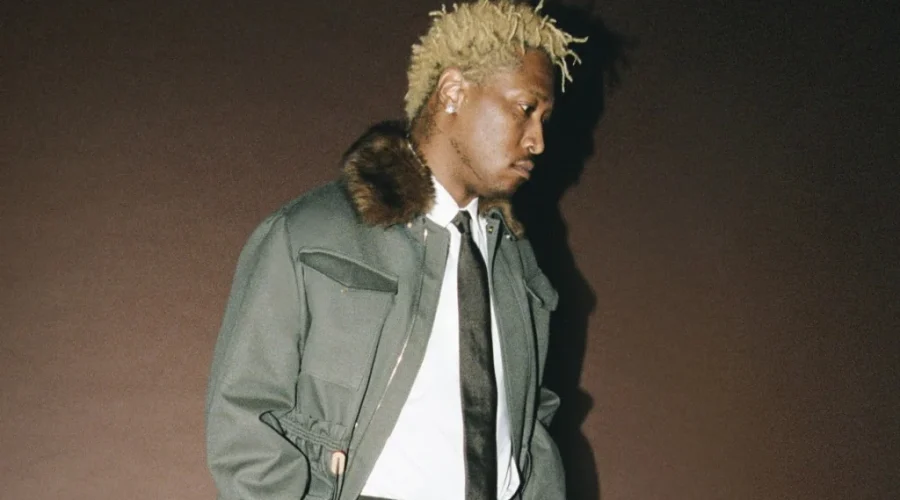
Future Scores 12th No. 1 Album With ‘The Real Me’ : Third Most in History

Future Scores 12th No. 1 Album With 'The Real Me' : Third Most in History

A minimalist crown and headphones blueprint-doodle in electric blue on white

Future is no stranger to the top of the charts, but his latest milestone feels like a definitive shift in music history. With the release of his 12th No. 1 album, The Real Me, the Atlanta titan has officially cemented himself in the upper echelon of the music industry. As of the Billboard 200 chart dated July 25, 2026, Future has bypassed legendary figures and joined a small, elite group of artists who define the sound of their generation.

For fans of urban music and hip hop news, this isn't just another Friday release. It is the continuation of a decade-long run of dominance that shows no signs of slowing down.

Breaking Down the Chart Success

The Billboard 200 is the industry standard for measuring an artist’s reach, and The Real Me reached the summit with impressive force. In its first week, the album racked up 131,000 equivalent album units in the United States. While those numbers are massive, the way they were achieved tells a story about the current state of streaming hip hop.

Out of those 131,000 units, a staggering 118,000 came from streaming-equivalent albums (SEA). This translates to over 120 million on-demand official streams of the album's tracks in just seven days. Pure album sales: traditional purchases of CDs or digital downloads: accounted for 13,000 units.

A minimalist flat graphic illustration of a bar chart showing streaming vs sales

This breakdown highlights a clear trend in r&b music and hip hop: the digital world is where the battle for No. 1 is won. Traditional sales have become a niche for collectors and super-fans, while the general public consumes music through platforms that prioritize accessibility and repeat listens. For Future, whose "hive" of fans is among the most active online, this streaming-first model is the engine that keeps his career in high gear.

Climbing the Leaderboard

With 12 No. 1 albums, Future has now moved into third place for the most chart-toppers by a rap artist in history. He has officially surpassed Eminem, who currently sits at 11 No. 1s. This puts Future in the company of only a few names that have shaped the global music landscape:

  1. The Beatles (19 No. 1 albums)
  2. Drake and Taylor Swift (15 No. 1 albums each)
  3. JAY-Z (14 No. 1 albums)
  4. Future (12 No. 1 albums)

Being mentioned in the same breath as The Beatles or JAY-Z isn't just about the numbers; it’s about the cultural footprint. Future’s ability to remain relevant while the sound of hip hop shifts around him is his greatest strength. Whether it’s his melodic trap foundations or his more vulnerable R&B-leaning tracks, he continues to connect with a demographic that spans the globe.

Why 'The Real Me' Resonates

In the world of hip hop blogs, there is constant debate over whether an artist can maintain quality while being this prolific. The Real Me answers that question by leaning into a more introspective side of the rapper. While it still features the club anthems and "toxic" narratives that fans expect, there is a level of transparency in the lyrics that suggests he is looking back at his legacy as much as he is looking forward to the next hit.

At Pugilist Radio, we see this trend every day. Our community of listeners isn't just looking for a beat; they're looking for a connection to the artist's story. Future provides that by being consistent. He doesn't reinvent himself every year; he refines himself.

A minimalist abstract blueprint-doodle of a vinyl record morphing into a soundwave

The Evolving Landscape: Stones and Soundtracks

Future wasn't the only one making history on the charts this week. The legendary Rolling Stones extended their own record by securing their 39th top 10 entry. It’s a reminder that while hip hop is currently the most popular genre in the world, the "old guard" of rock and roll still possesses a unique staying power.

Perhaps more surprising was the debut of the Heated Rivalry TV soundtrack at No. 9. This marks the first time a TV series soundtrack has debuted in the Billboard 200 top 10 since the Empire soundtrack in 2015. Heated Rivalry achieved this feat through strong physical sales (CD and vinyl), proving that while streaming dominates for individual artists like Future, physical media still has a firm grip on the "collector" side of the industry.

A minimalist blueprint-doodle of a vintage television with music notes

Staying Connected with the Culture

As the charts continue to evolve, staying updated on hip hop news is more important than ever. The gap between a "viral moment" and a "No. 1 album" is closing, and artists are finding new ways to reach their audience directly.

At Pugilist Radio, we are more than just a station. Our social media app allows fans of urban music to interact with the news in real-time. Whether you are arguing about who belongs on the "GOAT" list or looking for the next breakout R&B star, our platform is built for the culture.

Future’s success with The Real Me is a win for independent spirits in the industry. It proves that if you stay true to your sound and your audience, the numbers will follow. As we look toward the rest of 2026, the question isn't whether Future will hit No. 1 again, but how quickly he can catch up to JAY-Z and Drake.

What do you think about The Real Me? Is Future officially a Top 5 rapper of all time? Join the conversation on our community platform and let your voice be heard.

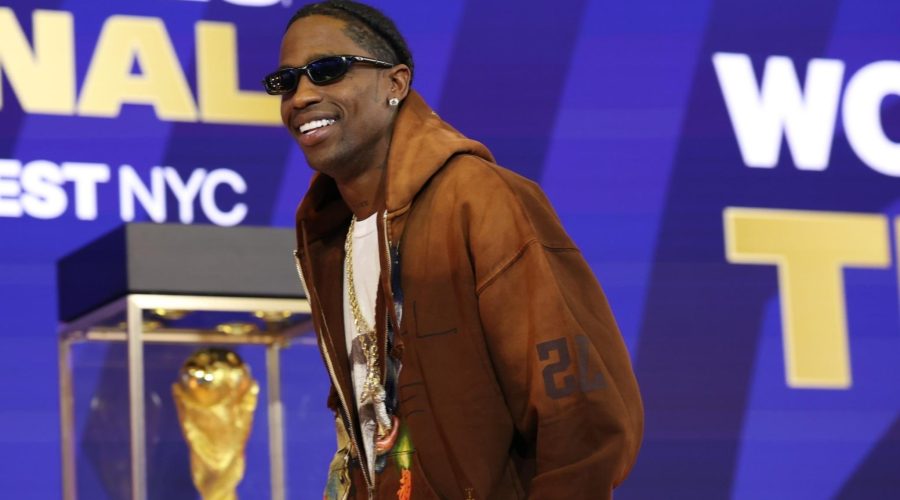
Travis Scott Involved in Bottle-Throwing Incident at Zero Bond While 50 Cent Performed

Travis Scott Involved in Bottle-Throwing Incident at Zero Bond While 50 Cent Performed

Travis Scott Nightlife Abstract Blueprint Illustration

The intersection of luxury, exclusivity, and hip-hop high-stakes often creates a cocktail for legendary nights: or headline-grabbing drama. This past Saturday, Manhattan’s most secretive and sought-after private members' club, Zero Bond, became the backdrop for the latter. While the legendary 50 Cent was commanding the room with a performance that felt like a throwback to New York’s golden era of dominance, the atmosphere shifted from celebration to chaos.

Travis Scott, the Houston firebrand and global superstar, found himself at the center of a bottle-throwing altercation that has the industry buzzing. What was meant to be an elite, private gathering hosted by Raising Cane’s quickly devolved into a physical confrontation that serves as yet another chapter in Scott’s increasingly turbulent 2026.

The Scene: Titanium Velvet Ropes and "In Da Club"

Zero Bond isn't your average nightlife destination. It’s a space where membership is a status symbol and privacy is the primary currency. On this particular Saturday night, the club was at capacity with A-list talent, athletes, and industry titans. The main event was a performance by 50 Cent, who was reportedly mid-set, delivering the kind of high-energy performance that makes a room feel electric.

Zero Bond Luxury Club Blueprint Illustration

For those plugged into the world of urban music and streaming hip hop, the setting was perfect. You had the king of New York rap on stage and the "Cactus Jack" architect in the crowd. However, in an age where every move is monitored, even the most secure VIP lounges aren't immune to the friction caused by the digital era’s greatest obsession: the camera.

The Trigger: The Battle Over the Lens

According to multiple reports, the spark that lit the fuse was a disagreement over recording. Travis Scott was reportedly engaged in a conversation when he noticed a man filming him without permission. In the high-pressure world of celebrity, where every "unfiltered" moment can be monetized or manipulated, Scott’s reaction was immediate.

The confrontation escalated quickly. Scott allegedly challenged the individual about the recording, and before security could fully intercede, the situation turned physical. It wasn't just words being exchanged; witnesses describe a scene where bottles were suddenly airborne. While it remains a point of debate whether Scott himself launched the glassware or if it was members of his inner circle, the result was the same: a brief but intense melee in the heart of the VIP section.

Conflict and Motion Geometric Illustration

This incident highlights a growing tension in urban entertainment. As much as we love the access that social media provides, the artists themselves are increasingly pushing back against the "always-on" nature of modern fame. At a club like Zero Bond, the expectation of privacy is absolute. When that boundary is crossed, the reaction can be explosive.

The Peacemaker: An NBA Champion Steps In

One of the more surprising details of the night was the involvement of Jordan Clarkson. The New York Knicks guard, fresh off an NBA championship run, was also in attendance. Rather than staying on the sidelines, reports indicate that Clarkson stepped into the fray to de-escalate the situation.

Clarkson’s presence served as a cooling agent. Witnesses noted that he jumped in once the bottles started flying, attempting to calm both sides and prevent the situation from spiraling into a full-scale riot. Despite his efforts, the damage was done. Both Scott and Clarkson were eventually escorted out of the venue by security and, according to some reports, police who were stationed outside the event.

Interestingly, the show went on. 50 Cent, a veteran of much more dangerous environments, reportedly didn't skip a beat. The performance continued even as the VIP section was being cleared, a testament to the "the show must go on" mentality that defines the industry.

A Growing Pattern: Three Strikes in 2026?

For those who follow hip hop blogs and news outlets closely, this isn't the first time Travis Scott has been linked to venue drama this year. In fact, this marks the third high-profile incident involving the rapper at upscale locations in recent months.

Just a few weeks prior, in late June, Scott was filmed at an Amazon Music-related event in New York City throwing water bottles at a cameraman to get him out of his line of sight. While that was seen by some as a frustrated artist trying to clear his stage, the Zero Bond incident feels more personal and more volatile.

Privacy and No-Filming Policy Blueprint

When you add these to reports of friction at yacht parties and international "White Parties" earlier in the summer, a pattern begins to emerge. Scott is a performer known for "raging": a term he coined for the high-intensity, chaotic energy of his live shows. However, there is a fine line between stage persona and real-world behavior, and critics are beginning to wonder if that line is becoming blurred.

The Aftermath: In-House Resolution

Perhaps the most "Zero Bond" aspect of the entire night was how it was handled after the dust settled. Despite the flying bottles and the involvement of high-profile names, no ambulances were called, and no arrests were made inside the club. Security handled the matter internally, ensuring that the brand of the club: and the privacy of its other guests: remained intact.

This "in-house" resolution is common in the upper echelons of Manhattan nightlife. The goal is always to keep the police at bay and the scandals out of the headlines, though in the age of the internet, the latter is almost impossible. By the time the sun came up on Sunday, the details of the brawl were already circulating across hip hop news platforms globally.

De-escalation and Resolution Blueprint Illustration

For fans and community members over at Pugilist Radio, these incidents spark a larger conversation about the responsibility of the artist and the entourage. Does the "Cactus Jack" brand benefit from this outlaw image, or does it start to alienate the very corporate sponsors (like Raising Cane’s) that fund these exclusive events?

Conclusion: The Price of the Rage

Travis Scott remains one of the most influential figures in modern music. His ability to move the needle in fashion, tech, and sound is undisputed. Yet, as his career continues to skyrocket, the friction between his private life and his public persona seems to be reaching a boiling point.

The Zero Bond incident is a reminder that even in the most protected spaces, the pressures of fame are ever-present. Whether it’s a fan with a phone or a perceived slight in a VIP booth, the reaction of the artist often becomes a bigger story than the music itself. As we move further into 2026, the question isn't whether Travis Scott can still "rage": it's whether he can find a way to do it without the bottles flying.

Stay tuned to our community for more updates on this story and the latest in urban music.

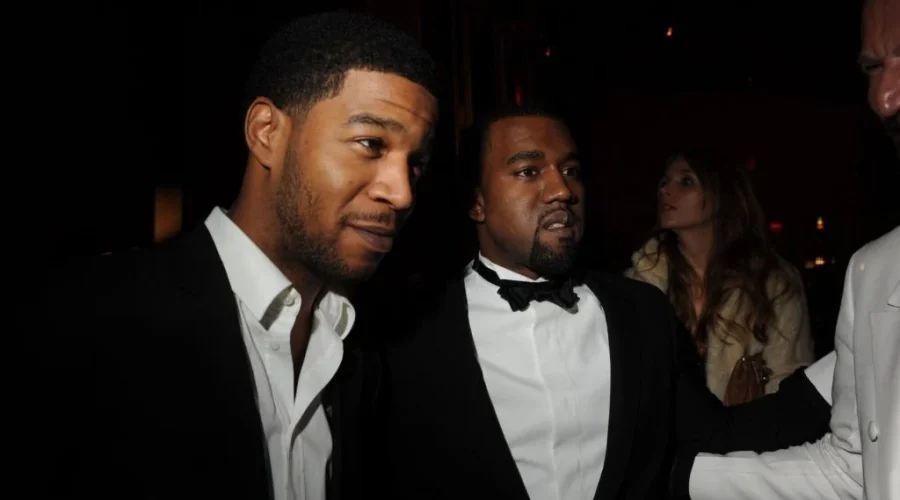
Kid Cudi and Ye Are Rebuilding Their Friendship : And a Collab Could Be Next

Kid Cudi and Ye Are Rebuilding Their Friendship : And a Collab Could Be Next

A minimalist clean-tech illustration of two stylized artists connected by sound waves and stars on a blue background

In the ever-shifting landscape of hip hop news, few narratives have been as turbulent, emotional, and culturally significant as the brotherhood between Scott Mescudi and Kanye West. For nearly two decades, Kid Cudi and Ye have defined the sound of a generation, blending vulnerability with experimental production to create a sub-genre of urban music that resonates with millions.

However, after years of public feuds, social media outbursts, and what seemed like an irreparable severance of ties, 2026 is bringing us a headline we weren’t sure we’d see again: Cudi and Ye are officially rebuilding.

This isn't just another headline in the cycle of urban entertainment; it’s a tectonic shift. At Pugilist Radio, we’ve been tracking this story since the early G.O.O.D. Music days, and the latest developments suggest that the two visionaries are prioritizing their humanity over their discography: a move that might actually pave the way for the music fans have been dreaming of.

The Foundation: Two Decades of Innovation

To understand why this reconciliation matters, you have to look at the history. The bond between Cudi and Ye wasn't just a business arrangement; it was a creative spark that changed the trajectory of the genre. When Ye first signed Cudi to G.O.O.D. Music in the mid-2000s, the industry was caught off guard by the melodic, introspective nature of their collaborations.

From the atmospheric influence Cudi had on 808s & Heartbreak to the cinematic heights of My Beautiful Dark Twisted Fantasy, their synergy was undeniable. They weren't just making tracks; they were building an emotional blueprint for urban music. This era was characterized by a "us against the world" mentality, which eventually peaked in 2018 with the formation of the duo Kids See Ghosts.

Minimalist line-art showing a vintage microphone and stars, representing the creative spark of the early Cudi and Ye era

The Collapse: 2022 and the Public Fallout

As any follower of hip hop blogs knows, the higher the peak, the harder the fall. The relationship took a sharp, public turn in 2022. The catalyst was personal, stemming from Ye's public friction with Cudi’s long-term friend Pete Davidson. It wasn't just a disagreement behind closed doors; it was a digital war that played out across Instagram captions and deleted tweets.

At the time, Cudi was clear: he was done. He announced that their track "Rock n Roll" on Pusha T’s album would be their final collaboration. For years, the silence between them was deafening. Even when temporary "thaws" occurred: like their brief hug at a 2023 listening party: the bridge seemed too burnt to cross. By 2025, after further public disagreements regarding mutual peers, many experts in streaming hip hop analysis declared the partnership officially extinct.

2026: Rebuilding Without the "Work Talk"

Fast forward to today, July 20, 2026. The narrative has shifted again, but this time, the foundation feels different. According to recent reports and Cudi’s own candid updates, the two are actively mending their friendship.

The most refreshing part of this 2026 update? It’s not about the studio. Cudi has revealed that their recent communication has been strictly about checking in on one another. "No work talk, no strategy," Cudi shared in a recent update. "Just seeing how the brother is doing."

This approach: prioritizing mental health and genuine connection over a release schedule: is a mature evolution for both artists. In an industry that often commodifies beef and reconciliation for clicks, seeing two legends focus on a personal "check-in" is a powerful statement for the urban entertainment community.

A blueprint-doodle illustration of two hands reaching for a handshake, representing the 2026 reconciliation and friendship first approach

The Rebel Ragers Tour and the "Reborn" Gesture

While they claim there is "no work talk," Cudi hasn't shied away from honoring their shared legacy publicly. During his current Rebel Ragers Tour, fans witnessed a moment that set social media on fire. On the April 28th stop of the tour, Cudi closed his set by performing "Reborn," the standout anthem from the Kids See Ghosts project.

Performing "Reborn" wasn't just a setlist choice; it was a public olive branch. Dedicated to Ye, the performance signaled to the world that Cudi is ready to embrace the art they made together, regardless of the drama that followed. For fans of streaming hip hop, seeing that song live again brought back the hope that the "ghosts" might not be done yet.

"One Day Soon For Sure": Is a Collab Coming?

The question on every fan's mind is, of course, the music. When asked directly about a future collaboration, Cudi gave the answer we’ve all been waiting for: "One day soon for sure."

While there are no confirmed recording sessions or release dates for a Kids See Ghosts 2, the door is officially open. Cudi’s hint suggests that once the personal foundation is solid, the creative floodgates will likely follow. For a duo that has already redefined the genre multiple times, a 2026 or 2027 collaboration would likely be the most anticipated event in the history of hip hop news.

A minimalist illustration of a stage with spotlights and a crowd silhouette, representing the energy of the Rebel Ragers Tour

Why This Matters for the Pugilist Radio Community

At Pugilist Radio, we believe that music is more than just audio: it’s a social experience. Our app is designed to bring people together around the sounds and stories that define urban culture. The story of Cudi and Ye is a reminder that even in a high-stakes industry, there is room for growth, forgiveness, and a return to the roots of why we love this music in the first place.

As these two icons continue to navigate their path back to brotherhood, we’ll be here to provide the latest updates, the deep-dive analyses, and the tracks that made them legends. Whether you’re listening to our live radio streams or engaging with other fans on our social platform, Pugilist Radio is your home for the pulse of the streets.

What to Watch For Next:

  1. Social Media Check-ins: Keep an eye on Cudi’s platforms for more "behind the scenes" friendship updates.
  2. Surprise Appearances: With the Rebel Ragers Tour ongoing, many are speculating a surprise Ye appearance at one of the final stops.
  3. Vultures Follow-ups: Any further contributions by Cudi to Ye’s ongoing projects will be the first sign that "work talk" has officially returned to the table.

The journey from "I’m done with you" to "One day soon for sure" has been a long one. For the fans who have stayed through every tweet and every hiatus, the reward looks like it’s finally on the horizon.

Pugilist Radio branding featuring a stylized king logo on a blue background

Stay tuned to Pugilist Radio for more exclusive hip hop news and deep dives into the world of urban entertainment. Join the conversation on our app today and let us know: Do you think we’re getting Kids See Ghosts 2 by 2027?

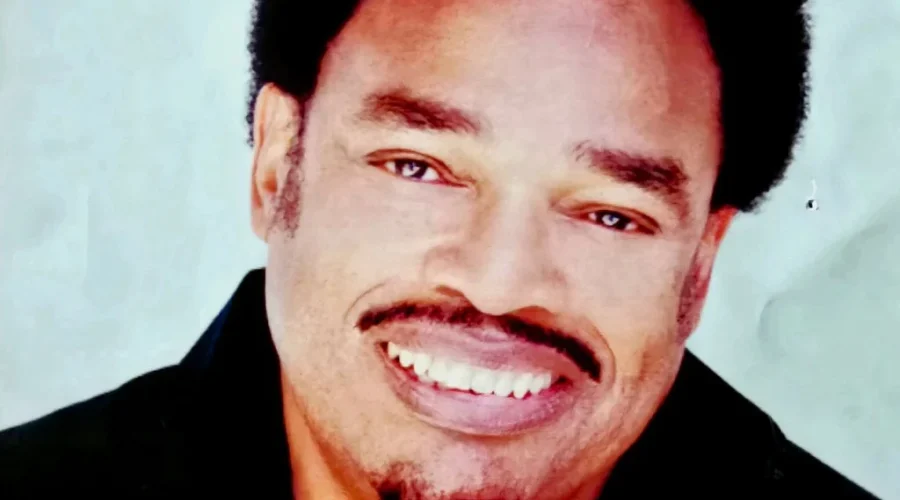
Jim Gilstrap, the Voice Behind Stevie Wonder’s “Sunshine,” Passes at 79

Jim Gilstrap, the Voice Behind Stevie Wonder's "Sunshine," Passes at 79

A minimalist hero image representing the soul and studio legacy of Jim Gilstrap with a blueprint-doodle microphone on a vibrant blue circle.

The world of r&b music lost one of its most essential, if sometimes unsung, architects this week. Jim Gilstrap, the legendary session vocalist whose tenor voice quite literally introduced some of the greatest songs in the history of soul, passed away at the age of 79 on July 18, 2026.

If you’ve spent any time listening to Pugilist Radio or diving into the crates of classic soul, you’ve heard Jim Gilstrap. You might not have seen his face on every album cover, but his DNA is woven into the very fabric of urban music. From the first notes of Stevie Wonder’s greatest hits to the theme song of one of television’s most iconic sitcoms, Gilstrap was the secret weapon for the industry’s biggest stars for over half a century.

Born in Texas in 1946, Jim Gilstrap didn’t just participate in the golden age of soul: he helped build it. He served his country, moved to Los Angeles, and quickly became the go-to voice for producers who needed perfection.

The "Sunshine" Moment: Working with Stevie Wonder

When people talk about the "perfect opening" to a song, Stevie Wonder’s "You Are the Sunshine of My Life" is usually at the top of the list. That smooth, satin-tenor that sings the very first two lines? That’s not Stevie. That’s Jim Gilstrap.

A minimalist sunshine graphic with blue radiating lines and a white blueprint-doodle music note.

As a member of Stevie Wonder’s elite backing group, Wonderlove, Gilstrap was a central figure during Stevie’s "classic period." He contributed to the landmark albums Talking Book, Innervisions, and Fulfillingness’ First Finale. During this era, Wonder was reinventing what urban entertainment sounded like, and Gilstrap’s versatility allowed him to blend seamlessly into the experimental, synth-heavy, soul-drenched landscape Stevie was creating.

Being part of Wonderlove wasn’t just a gig; it was the ultimate endorsement. It signaled to the rest of the music industry that if you wanted a voice that could elevate a track from a "song" to an "anthem," you called Jim.

The Voice of "Good Times"

While his work with Stevie Wonder cemented his place in r&b music history, his work on television made him a household voice for millions who didn't even know his name. In 1974, Gilstrap co-led the theme song for the sitcom Good Times alongside Motown singer Blinky Williams.

A minimalist blueprint-doodle of a vintage 1970s TV set with 'GOOD TIMES' text on a vibrant blue background.

Good Times was a cultural milestone: the first African-American two-parent family sitcom in U.S. history. Gilstrap’s gospel-inflected delivery on the opening theme, particularly his iconic line about "temporary layoffs," became a part of the American soundtrack. It wasn't just a theme song; it was a weekly reminder of the resilience and soul of the urban experience.

Decades later, hip hop producers would sample that energy and those themes, proving that the foundation Gilstrap helped lay in the '70s remains a bedrock for modern hip hop news and culture.

Taking the Spotlight: The Solo Years

Jim Gilstrap wasn't content staying in the background forever. In 1975, he stepped into his own lane as a solo artist, proving he had the charisma and the pipes to lead the charts. His single "Swing Your Daddy" became a legitimate hit, climbing the R&B and pop charts both in the States and across the pond in the UK.

A minimalist graphic of a stack of vinyl records and headphones in a blueprint-doodle style.

He followed it up with "I’m on Fire," another soulful groove that showcased his ability to front a record with ease. While his solo career didn't reach the multi-platinum heights of the superstars he backed, those records remain cult classics for true heads who follow r&b radio. His ability to transition from a session player to a frontman is a testament to the "sterling reputation" he built over his 50-plus year career.

The Architect of R&B: 50 Years of Excellence

If you look at the liner notes of the most influential records of the last five decades, Gilstrap’s name appears like a recurring legend. He was a session mainstay for:

  • Quincy Jones
  • Michael Jackson
  • Aretha Franklin
  • Whitney Houston
  • Luther Vandross
  • Anita Baker

He didn't just stick to one era, either. His voice bridged the gap between the classic soul of Bill Withers and the modern pop-soul of artists like Harry Styles and Kelis. He even appeared on recordings for Kanye West, showing that his vocal textures were still relevant to the leaders of hip hop blogs today.

What made Jim Gilstrap special wasn't just his technical ability; it was his professionalism. In an industry known for manufactured drama and "one-hit wonders," Gilstrap stayed relevant for over 50 years because he was a master of his craft. He knew how to blend, how to lead, and how to make everyone else in the room sound better.

A Legacy That Lives On

Jim Gilstrap leaves behind his wife, Gloria, his children, and a legacy that is literally everywhere. Every time "Sunshine" plays at a wedding, every time a classic TV marathon of Good Times airs, and every time a new artist samples a 70s groove, Jim is there.

A minimalist Pugilist Radio icon featuring a king chess piece and an electric blue sound wave.

At Pugilist Radio, we celebrate the legends who built the house we live in. Jim Gilstrap was a pillar of that house. He was the definition of "quiet excellence": a man who didn't need to scream for attention because his talent spoke for itself.

As we look at the current landscape of urban music, we see Gilstrap’s influence in every singer who prioritizes soul over auto-tune and every producer who looks for that perfect, organic vocal texture. He taught us that you don't always have to be the name on the front of the album to be the heart of the music.

Rest in power, Jim Gilstrap. Your voice is eternal.


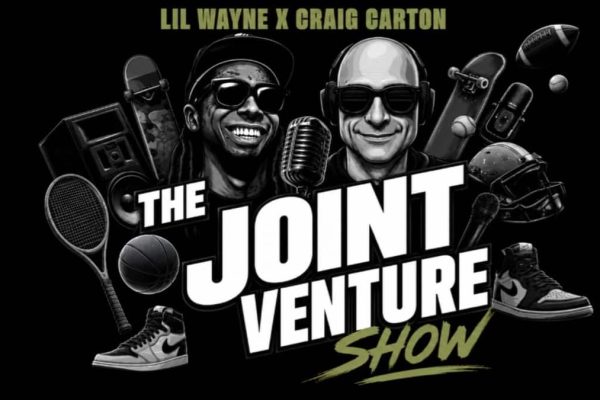
Lil Wayne and Craig Carton Launch “The Joint Venture Show” : A Podcast Built on Real Friendship

Lil Wayne and Craig Carton Launch "The Joint Venture Show" : A Podcast Built on Real Friendship

A minimalist clean-tech illustration of a professional podcast setup with electric blue accents and blueprint-doodle symbols of music and sports.

Two titans from completely different worlds just connected to create something special. Lil Wayne, a global icon and one of the greatest rappers of all time, and Craig Carton, the legendary sports radio personality, are bringing “The Joint Venture Show” to life. This podcast isn’t just another celebrity media project; it is exactly the kind of authentic, raw, and unfiltered content that is winning the digital landscape right now.

While the official digital launch is set for Wednesday, July 22, on YouTube and all major podcast platforms, the real energy kicked off this past Sunday at Fanatics Fest NYC. The live premiere wasn't just a recording session: it was an event that brought out heavy hitters from the sports world, including NFL legends Eli Manning and Darrelle Revis, and NBA great Amar’e Stoudemire.

At Pugilist Radio, we are always looking for the intersection of culture, music, and athletics. "The Joint Venture Show" represents the ultimate crossover in urban entertainment, blending the sharp wit of sports radio online with the cultural weight of the hip hop world.

The Foundation of a Genuine Friendship

What sets this show apart from the endless sea of celebrity-hosted podcasts is the foundation. In an era where many "collabs" are manufactured by talent agencies and marketing firms for a quick check, Lil Wayne and Craig Carton are doing something different. They’ve been genuine friends for years.

A high-contrast blueprint-doodle illustration showing the connection between a cassette tape and a radio antenna, symbolizing the fusion of hip hop and sports radio.

Because of this history, the conversation flows naturally across sports news, entertainment, pop culture, and whatever else pops up that day. There’s no script, no manufactured drama, and no corporate filter. It’s just two people talking the way they actually talk when the cameras would normally be off. That’s the secret formula everyone’s chasing but rarely nails.

On the Pugilist Radio app, we see our community thriving on this exact kind of transparency. Fans don't want polished PR statements; they want the "real." Seeing Wayne, who is often viewed as an enigmatic figure, opening up in a conversational setting with a pro like Carton is a major win for hip hop news enthusiasts.

A Late-Night Vibe: From the Stage to the Studio

The concept of the show is as unique as its hosts. Rather than a traditional studio setting, much of the show is designed to feel like a "late-night hang" after one of Lil Wayne’s concerts. As Wayne wraps up a high-energy performance on his North American “Tha Carter” 20th Anniversary tour, he winds down by jumping into the studio with Carton.

This "post-show downtime" atmosphere creates a specific kind of energy. It’s the period when the adrenaline is still pumping but the guard is down. It allows for deep dives into topics that most hip hop blogs rarely get to cover. Whether they are debating the greatest sports choke jobs in history or discussing movie sequels that should have never happened, the stakes feel personal because the environment is intimate.

The Fanatics Fest NYC Premiere

The choice to debut the show at Fanatics Fest NYC was a strategic move that signaled exactly who this show is for: the die-hard fans. The live taping featured a star-studded lineup that bridge the gap between New York sports history and modern pop culture.

  • Eli Manning: The two-time Super Bowl champion brought his signature dry humor to the table.
  • Darrelle Revis: "Revis Island" himself showed up to talk about the evolution of the game and the culture surrounding it.
  • Amar’e Stoudemire: Representing the NBA, Stoudemire added a layer of lifestyle and entertainment insight to the mix.

This wasn't just about interviews; it was about a collective conversation. The interaction between Wayne's artistic perspective and the athletes' competitive mindsets provided a masterclass in modern sports news commentary.

A minimalist blueprint-doodle skyline of New York City on a vibrant blue background, representing the energy of Fanatics Fest NYC.

Unfiltered Takes and Authentic Debate

If you’ve been sleeping on podcasts because they all feel too polished or corporate, "The Joint Venture Show" is your signal to tune in. The podcast promises unfiltered takes on everything.

In the pilot episodes and the live taping, the duo covered everything from celebrity beefs to the most disappointing moments in athletic history. For those who follow sports radio online, Craig Carton’s ability to drive a conversation is unmatched. When you pair that with Lil Wayne’s unpredictable and brilliant commentary, you get a product that transcends the typical "sports talk" or "rap podcast" labels.

The show is produced by Magilla Entertainment, the team behind major hits like Moonshiners and O’ahu Shores. With executive producers like Wayne and Carton themselves, along with industry veterans like Matthew Ostrom and Fabian Marasciullo, the production value matches the star power.

Why This Matters for Urban Entertainment

We are living in an era where the lines between music, sports, and media are completely blurred. Athletes want to be rappers, and rappers want to be sports owners or commentators. "The Joint Venture Show" is the physical manifestation of this cultural shift.

For the Pugilist Radio community, this is a milestone. Our platform was built on the idea that urban music and sports are the twin pillars of modern culture. When we see hip hop news and sports news converging in such an organic way, it validates the community we’ve built on our social media app.

A minimalist clean-tech illustration of a studio speech bubble on a white wall, representing the unfiltered and conversational nature of the new podcast.

How to Tune In

Ready to see what Lil Wayne and Craig Carton have cooked up? Here is everything you need to know to stay ahead of the curve:

  1. Release Date: The debut episode officially drops on Wednesday, July 22.
  2. Frequency: Catch new episodes every Wednesday.
  3. Platforms: Available on YouTube for the visual experience and all major podcast platforms (Spotify, Apple Podcasts, etc.) for the audio-only listeners.
  4. Community: Join the discussion on the Pugilist Radio app to share your takes on each episode.

This isn't just a "joint venture" in name; it's a joint venture in culture. Whether you're here for the sports insights or the hip hop legendary status, one thing is certain: you won't want to miss a single minute of this.

Are you ready for the new era of urban entertainment? Let us know your thoughts in the comments or join the conversation on our social platform.

John Coltrane

John Coltrane at 100: The Tiberi Tapes, Kendrick's Inspiration, and a Global Celebration

Minimalist illustration of a saxophone and crown representing John Coltrane's legacy

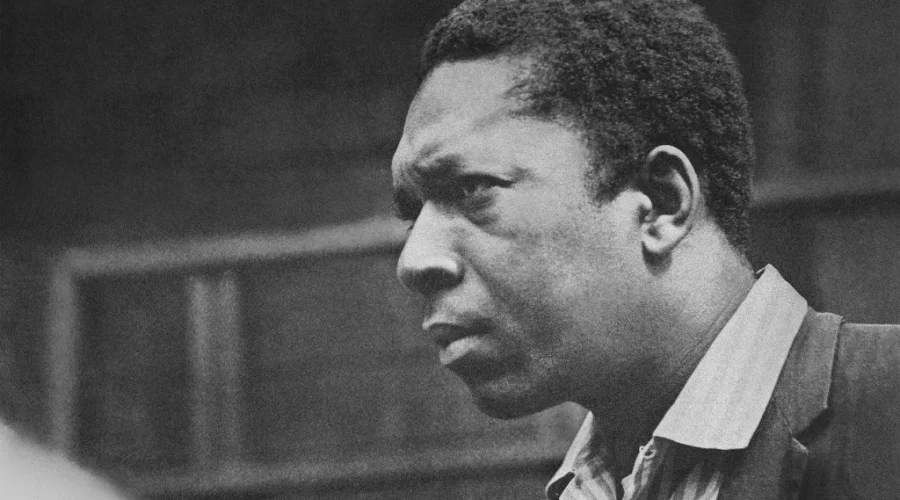
John Coltrane died in 1967 at the young age of 40, but his legacy is still shaking the entire music industry today. As we approach September 23, 2026, the music world is preparing to celebrate what would have been his 100th birthday. This isn't just a moment for jazz purists; it’s a global celebration of an artist whose influence stretches across every genre imaginable, from hip-hop and R&B to pop and electronic music.

At Pugilist Radio, we live at the intersection of urban culture and music history. Coltrane isn't just a "jazz guy": he is the blueprint for the creative freedom, spiritual depth, and experimental spirit that defines modern urban music. Whether you know it or not, your favorite rapper, producer, or singer probably owes a debt to "Trane."

The Tiberi Tapes: A Time Capsule of Genius

The biggest buzz surrounding the centennial is the release of The Tiberi Tapes. For decades, rumors swirled about a massive cache of live recordings held by saxophonist Frank Tiberi. These aren't just your standard live bootlegs; we’re talking about over 400 hours of performances recorded between 1961 and 1965. This was the "golden age" of jazz, a period where Coltrane was radically pushing the boundaries of what was possible on a saxophone.

Minimalist illustration of vintage tapes and sheet music

Verve Label Group and Impulse! Records have finally secured the rights to these recordings, and the rollout is set to be the centerpiece of the 2026 celebration. A four-LP set of highlights will drop this September, offering fans a chance to hear Coltrane’s "Classic Quartet" in a raw, unedited setting. For those of us obsessed with the history of urban music, these tapes are the equivalent of finding a lost hard drive of unreleased 2Pac or Biggie verses. They offer a rare look at a master at work, refining the spiritual and meditative sounds that would later influence everyone from Pharrell to Flying Lotus.

The DNA of Hip-Hop: From Trane to Kendrick

If you listen to Kendrick Lamar’s To Pimp a Butterfly or Mr. Morale & the Big Steppers, you are listening to the ghost of John Coltrane. Kendrick’s use of dense, jazz-inflected arrangements and his focus on music as a spiritual testimony is a direct continuation of Coltrane’s work on albums like A Love Supreme.

Coltrane taught the world that music could be more than just a catchy tune: it could be a prayer, a protest, and a search for truth. This is a recurring theme in the best hip hop blogs, where we see artists like OutKast and the Beastie Boys building entire sonic landscapes around the complex textures of the jazz era. The Beastie Boys’ instrumental tracks, for instance, often channel the "free jazz" energy that Coltrane pioneered in his later years.

OutKast, particularly André 3000, has often cited the freedom of jazz as a primary influence on their genre-bending sound. When you hear the horn sections on Aquemini or the avant-garde experiments on André’s solo work, you’re hearing the "Trane" influence in real-time. It’s about taking risks and refusing to stay in a box: a core value we champion here at Pugilist Radio.

From Broadway to the Trap: The "Seven Rings" Connection

Even the biggest pop stars in the world aren't immune to Coltrane’s gravitational pull. One of the most famous examples in recent years is Ariana Grande’s "7 rings." While the track is a modern trap-pop anthem, its foundation is "My Favorite Things" from The Sound of Music.

Illustration of the evolution from vintage radio to modern smartphone

But here’s the thing: most people didn't rediscover "My Favorite Things" because of the Broadway play. They rediscovered it because John Coltrane took that waltz-time show tune in 1961 and turned it into a 13-minute modal jazz masterpiece. Coltrane’s version is what made that song "cool" in the world of serious musicians. By the time Ariana Grande’s team interpolated the melody, they were tapping into a lineage of radical reimagination that Coltrane helped define. It’s a perfect example of how streaming hip hop and pop often build on foundations laid decades ago.

A Year-Long Centennial: Hollywood Bowl and Beyond

The 2026 celebration isn’t just about archival releases. It’s a massive live event series. On September 23, the official 100th anniversary of his birth, the Hollywood Bowl will host "Coltrane 100: Legacy." This event will feature a symphonic reimagination of his classic works, with new orchestral arrangements by GRAMMY-nominated composer Carlos Simon.

Blueprint-doodle style illustration of the Hollywood Bowl

This symphonic approach highlights the "classical" nature of Coltrane’s compositions. Much like the greats: Mozart, Bach, or Duke Ellington: Coltrane created music that is timeless. Seeing his work performed by a full orchestra at one of the world’s most iconic venues is a testament to his lasting power. For the urban entertainment world, this is a reminder that the music we listen to today is part of a much larger, global conversation.

Bringing Jazz to Gen Z: The Verve Strategy

One of the most interesting aspects of the "Coltrane 100" initiative is how Verve Label Group is targeting younger audiences. We’re seeing a massive push on TikTok and Instagram to introduce Gen Z to the spiritual, meditative sounds of jazz.

The "Lo-fi beats to study to" movement has already laid the groundwork. Many of those chill beats are heavily influenced by the modal jazz structures that Coltrane popularized. Verve is leaning into this, creating content that explains the "vibe" of albums like Giant Steps and Blue Train. They aren't just selling a CD; they’re selling a lifestyle of mindfulness, focus, and creative exploration.

At Pugilist Radio, we’ve noticed this trend too. Our listeners are increasingly looking for music that has more "soul" and "substance." Whether it's a deep R&B cut or a jazz-sampled hip-hop track, there is a clear hunger for the kind of authenticity that John Coltrane embodied.

Conclusion: The Eternal Spirit of Coltrane

John Coltrane’s centennial is more than just a birthday party for a deceased legend. It’s a moment for all of us in the music community: fans, artists, and broadcasters: to stop and recognize the blueprint that he provided. From the raw energy of the Tiberi Tapes to the global pop dominance of Ariana Grande, the "Trane" is still running on schedule.

As we move into the summer of 2026, keep your ears open. You’ll be hearing more Coltrane samples, more jazz-inflected beats, and more conversations about his spiritual legacy. And if you want to stay updated on how this celebration is impacting the urban music scene, make sure to keep it locked to Pugilist Radio.

This isn't just nostalgia. This is about showing that timeless artistry never dies; it just finds new ears. Happy 100th, John Coltrane.

Scroll to top